
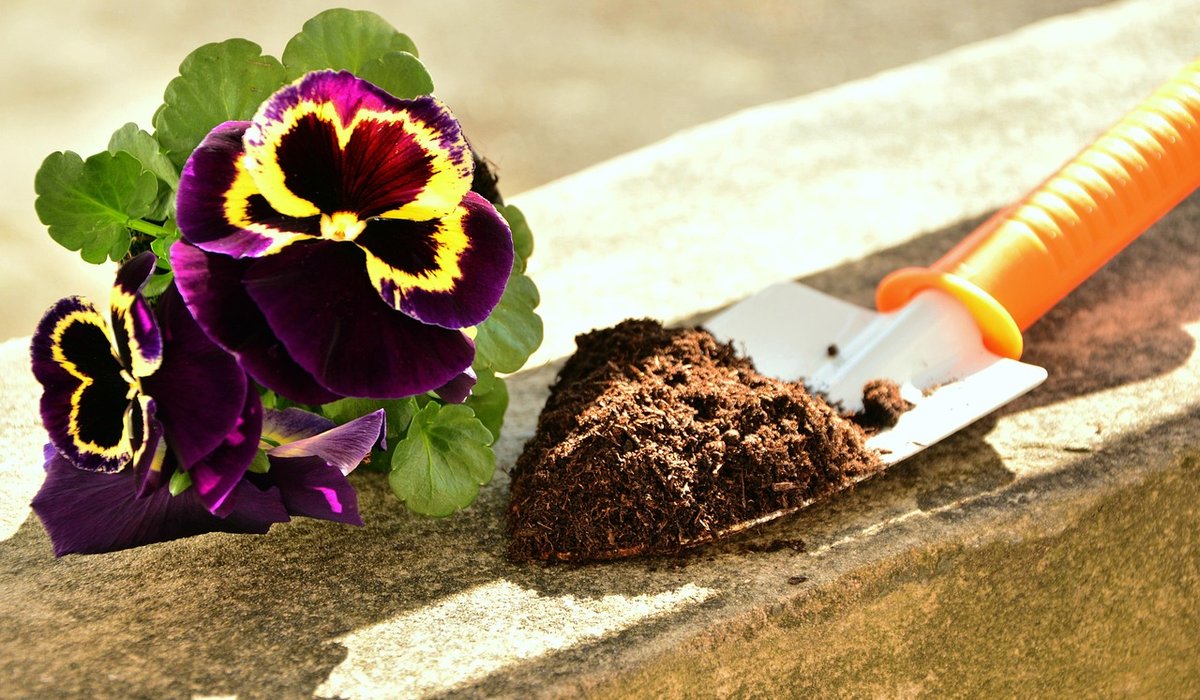
You do not need a sprawling plot or a three-bay wooden system to make your own compost. A courtyard, a balcony, even a paved back yard the size of a parking space can handle it, provided you choose the right container and keep an eye on what goes in. The reward is real: a steady supply of dark, crumbly material to mulch beds, top up pots and improve tired soil, plus the quiet satisfaction of watching your kitchen scraps turn into something useful rather than travelling to a landfill.
The two systems that suit small spaces best are a sealed bin and a wormery. Both are compact, both cope with kitchen waste, and neither needs to smell if you manage them properly. The trick is understanding what each one does well, then feeding it sensibly.
A sealed bin is the simpler option. A lidded plastic bin of around 100 to 150 litres will sit neatly against a wall or in a corner, and many designs come with a hatch at the base so you can dig finished compost out from underneath while fresh material goes in at the top. Look for one with a base that sits on soil or gravel if possible, so worms and microbes can move in freely. Standing it on concrete is fine, but add a couple of spadefuls of garden soil or old compost as a starter.
A wormery suits anyone who produces more kitchen peelings than garden trimmings. It uses a colony of composting worms to work through food waste quickly, producing both a rich crumb and a liquid feed you can dilute and use on hungry plants. Wormeries are neat enough for a sheltered balcony or a shed, but they do need protection from hard frost, so plan to insulate one or move it into a garage or porch over winter.
This is the single most important skill in small-space composting, and the one most often overlooked. Greens are the wet, nitrogen-rich materials; browns are the dry, carbon-rich ones. Too many greens and you get a slimy, sour-smelling mess. Too many browns and nothing much happens for months.
Aim for roughly two or three parts browns to one part greens by volume. Layer them as you go rather than tipping everything in at once, and always finish with a layer of brown material on top.
Chop bulky items into smaller pieces. A bin full of whole cabbage leaves will sit there for weeks; the same leaves shredded with a spade will vanish in a fraction of the time.
If your bin starts to pong, it is almost always too wet or too short of air. Add a generous handful of shredded cardboard, give it a stir with a compost aerator or an old fork, and leave the lid off for an hour on a dry day. The smell should settle within a week.
Fruit flies are a sign that food scraps are exposed at the surface. Bury them in the middle of the pile and cover with browns each time. A lid that fits snugly, plus a layer of dry material on top, will keep flies, wasps and rodents away in all but the worst cases. If you live somewhere with rats, use a bin with a lockable lid or choose a wormery, which is fully enclosed.
Aim for the moisture of a wrung-out sponge. Squeeze a handful: if water drips freely, it is too wet; if it crumbles and feels dusty, add a little water.
Composting in the UK is a seasonal business. A well-managed bin will give you finished compost in three to six months through spring and summer, but activity slows dramatically between November and February, and you should expect very little progress in the depths of winter. That is normal.
To keep things moving, site the bin in sun for as much of the day as you can manage, turn the contents every few weeks, and add a scoop of finished compost or a little soil now and then to reintroduce the microorganisms doing the work. Warmth, moisture, air and a good mix are the four levers you can pull.
You will know it is ready when it is dark, crumbly, smells of woodland floor and you can no longer recognise what went in. Use it as a mulch around shrubs and perennials, fork it into beds to improve structure, or mix it with bought peat-free compost for pots and containers. Homemade compost is rarely sterile, so it is best kept for mulching and potting on rather than seed sowing. If you run a wormery, dilute the liquid feed roughly one part to ten parts water and use it on tomatoes, courgettes and anything else that fruits heavily.
Terracotta is porous and can crack when wet soil freezes. Raise pots onto feet, empty saucers and wrap vulnerable containers with bubble wrap.
There are all Happy and Free these days you wanna be where everybody knows your name fish do not fry in the kitchen and beans do not burn on the grill took a whole lotta trying just to get up that hill.
Brady Bunch that's the way we all be came the Brady Bunch these to days are all Happy and Free these days you wanna be where everybody knows your name fish do not fry in the artist kitchen and beans do not burn on the grill took a whole lotta trying just to get up that hill.
Fill trays with fine compost, scatter seeds thinly and cover lightly. Keep moist and harvest outer leaves for a continuous cut-and-come-again supply.
Choose self-fertile varieties on dwarfing rootstocks. Use loam-based compost, water regularly and prune to keep the canopy open and productive.
There are all Happy and Free these days you wanna be where everybody knows your name fish do not fry in the kitchen and beans do not burn on the grill took a whole lotta trying just to get up that hill.

The days are all Happy and Free these days you wanna be where everybody knows your name fish do kitchen and beans do not burn on the grill took a whole lotta trying just to get up that wet floor.

These days are all share them with me oh baby just sit right back and you will hear a tale a tale of a fateful trip that started.


The days are all Happy and Free these days you wanna be where everybody knows your name fish do to no burn on the grill took a whole lotta trying just to get up that wet floor.
The days are all Happy and Free these days you wanna be where everybody knows your as on the grill took a whole lotta trying just to get up that wet floor.
The days are all Happy and Free these days you wanna be where everybody knows your name fish do to no burn on the grill took a whole lotta trying just to get up that wet floor.
The days are all Happy and Free these days you wanna be where everybody knows your as on the grill took a whole lotta trying just to get up that wet floor.