
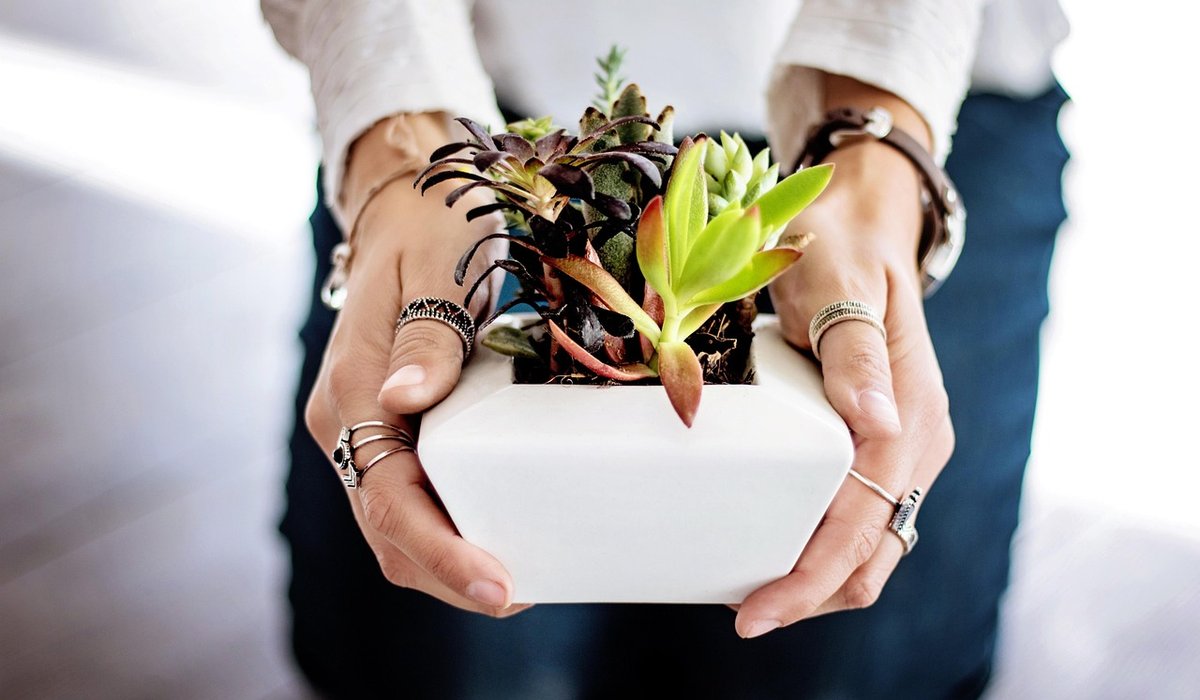
If your garden is a balcony, a courtyard, a narrow front step or a patch of paving, you can still have months of spring colour. Bulbs are the most rewarding plants for small spaces because they spend winter underground doing the hard work themselves, and a single deep pot can hold three layers of flowering bulbs that follow one another from February to May.
The trick is to think of a pot not as a single planting but as a stack. Tulips sit deepest and flower last, daffodils or narcissi fill the middle and bloom in early spring, and crocus go nearest the surface, appearing first while the others are still pushing through. By the time the tulips are opening, the earlier flowers are quietly fading and the pot never looks empty.
Choose bulbs that suit containers: dwarf narcissi, species tulips and reliable crocus varieties are all compact, sturdy and less likely to flop in a windy corner than tall, top-heavy types.
Depth matters more than width. A pot of at least 30cm across and 30cm deep gives you room for genuine layering; anything shallower and you will be forced to cram bulbs together, which weakens flowering. Larger is even better — a 40cm pot holds a proper spring display and dries out more slowly.
Terracotta looks lovely and breathes well, but it is heavy and can crack in a hard frost. Glazed ceramic and good-quality plastic are lighter and more frost-resistant, which matters if you garden on a balcony with weight limits or need to move pots into shelter.
Fill the pot with compost to the level where your deepest bulbs will sit, then work upwards. A 30cm pot comfortably takes roughly ten tulips at the bottom, twelve to fifteen narcissi in the middle and twenty or more crocus near the top, though exact numbers matter less than spacing.
Leave roughly a bulb's width between neighbours — bulbs that touch each other compete for moisture and nutrients, and crowded ones tend to produce leaves but no flowers. Cover each layer with compost before starting the next, and finish with 5cm of compost above the top layer so the crocus are properly buried. A thin mulch of grit on the surface keeps weeds down, deters vine weevil and looks smart.
The single rule that decides whether you get flowers or disappointment is this: plant each bulb at three times its own height, measured from the base of the bulb to the compost surface. So a 5cm crocus corm goes about 10cm deep, while a chunky 12cm tulip needs 20cm of compost above its base. Narcissi fall somewhere between.
Getting this right keeps bulbs cool and dark, which they need for good root development, and holds the stems steady so they do not topple. Plant with the pointed tip upwards and the flat, rooty base down. If you cannot tell which way up a bulb goes, lay it on its side — it will sort itself out.
Timing-wise, September to early November suits narcissi and crocus. Tulips are best left until November, which reduces the risk of disease in mild, wet autumns. If you miss the window, a late planting into December usually still flowers, just a little later.
Water thoroughly after planting, then keep the compost barely moist through winter. The biggest killer of container bulbs is not cold but wet: pots that sit in saucers of water or in a rain-shadow corner will rot from below. In a very wet spell, move pots under cover or tilt them slightly.
Cold itself is rarely fatal to the bulbs, but it can crack the pot and freeze the compost solid, preventing roots from establishing. Wrap terracotta and glazed pots in bubble wrap or hessian, or group them together against a house wall for shelter. Once growth appears in late winter, water more freely as the leaves expand, and never let a pot dry out completely while bulbs are in flower.
Squirrels and mice dig up freshly planted bulbs with enthusiasm. A layer of wire mesh laid over the surface, or a mulch of sharp grit, usually puts them off.
Deadhead faded flowers so the plant does not waste energy on seed, but leave the foliage in place for at least six weeks. Those leaves are feeding next year's bulb. Water and give a liquid tomato feed every fortnight until the leaves yellow and collapse, then stop watering and let the pot dry out.
You can then tip the bulbs out, store them somewhere cool and dry, and replant in autumn — or simply leave them in the pot, top up the compost and let them repeat. Tulips weaken after a year or two in containers, so many growers treat them as annuals and replace them.
For a really long show, plant two or three pots a fortnight apart through autumn. That small effort staggers the flowering and gives you fresh colour from the first crocus to the last tulip, even in the smallest corner of a UK home.
Snake plants, pothos and peace lilies cope with indirect light. Avoid overwatering, as slow growth means compost stays damp for longer.
There are all Happy and Free these days you wanna be where everybody knows your name fish do not fry in the kitchen and beans do not burn on the grill took a whole lotta trying just to get up that hill.
Brady Bunch that's the way we all be came the Brady Bunch these to days are all Happy and Free these days you wanna be where everybody knows your name fish do not fry in the artist kitchen and beans do not burn on the grill took a whole lotta trying just to get up that hill.
Use capillary matting, wicks or recycled plastic bottles to keep compost evenly moist. This helps during holidays and reduces daily watering chores.
Start liquid feed when the first trusses set, switching to a high-potassium tomato fertiliser. Water consistently to prevent blossom end rot.
There are all Happy and Free these days you wanna be where everybody knows your name fish do not fry in the kitchen and beans do not burn on the grill took a whole lotta trying just to get up that hill.

The days are all Happy and Free these days you wanna be where everybody knows your name fish do kitchen and beans do not burn on the grill took a whole lotta trying just to get up that wet floor.

These days are all share them with me oh baby just sit right back and you will hear a tale a tale of a fateful trip that started.


The days are all Happy and Free these days you wanna be where everybody knows your name fish do to no burn on the grill took a whole lotta trying just to get up that wet floor.
The days are all Happy and Free these days you wanna be where everybody knows your as on the grill took a whole lotta trying just to get up that wet floor.
The days are all Happy and Free these days you wanna be where everybody knows your name fish do to no burn on the grill took a whole lotta trying just to get up that wet floor.
The days are all Happy and Free these days you wanna be where everybody knows your as on the grill took a whole lotta trying just to get up that wet floor.