
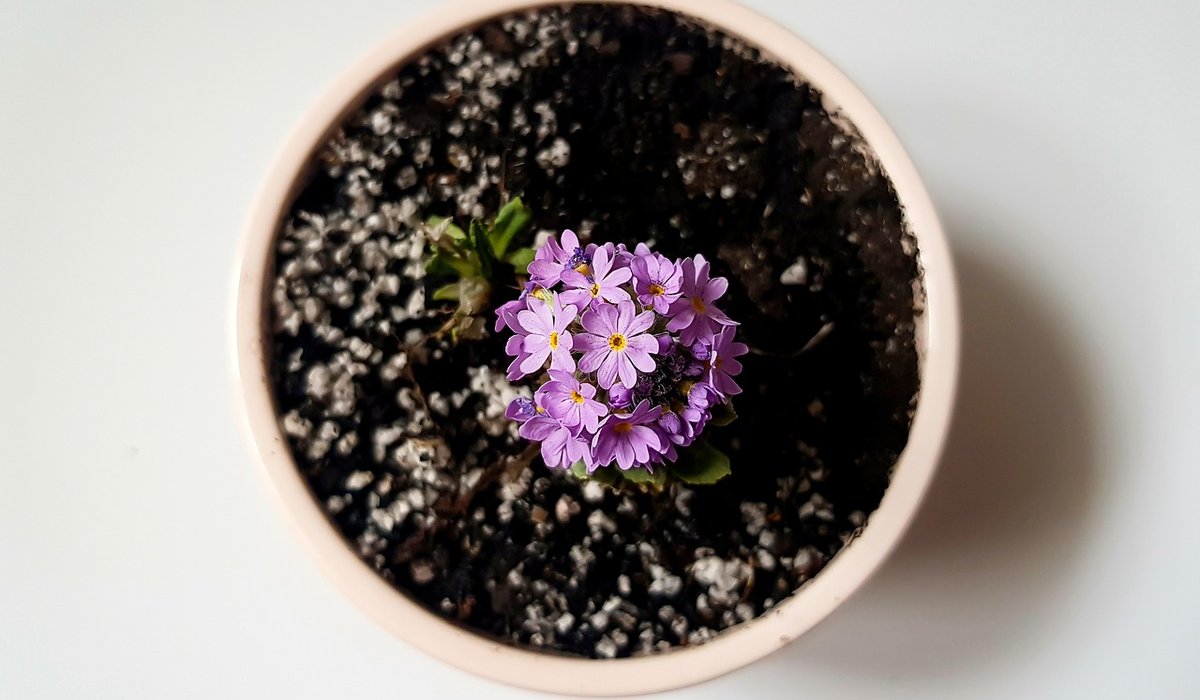
Keeping pots and containers evenly moist through a British summer can feel like a full-time job. One hot, breezy afternoon can dry out a tomato plant in a terracotta pot, while a week of drizzle leaves compost sodden. For anyone gardening on a balcony, a small courtyard, or a windowsill, a simple self-watering system takes the guesswork out of watering and gives you back your weekends.
Small containers hold less compost, so they dry out faster than garden borders. They also heat up quickly against a wall or on paving. Self-watering systems work by giving plants a steady supply of moisture from below, rather than a daily drench from above. The compost stays consistently damp, not alternating between bone dry and waterlogged. That consistency is what prevents split tomatoes, bitter lettuce, and stressed bedding plants. It also means you can go away for a long weekend, or even a week, without coming home to a collection of sad, crispy stems.
Capillary matting is a thick, felt-like fabric that draws water sideways and upwards by capillary action. You place it in a waterproof tray, sit your pots on top, and keep the tray topped up with water. The mat acts as a reservoir, feeding moisture through the drainage holes into the compost. It is ideal for grouping several small pots together.
This method suits ferns, hostas, busy lizzies, and other thirsty plants. It is less effective for succulents, rosemary, or lavender, which prefer drier compost.
A wick system uses a strip of absorbent fabric to pull water from a reservoir into the compost. You can buy capillary wicks, but a length of old cotton towel, a cotton shoelace, or a strip of felt works just as well. The wick sits in water at one end and is buried or coiled in the compost at the other.
Wick systems are brilliant for individual pots, especially in windowsills or on shelves where a tray would be impractical. They work best with peat-free multi-purpose compost, which has good capillary action.
Plastic bottles are perfect for small-space growing. You can turn a two-litre drinks bottle into a reservoir that feeds a pot for days. There are two easy approaches.
For a larger pot, you can also stand a bottle upside down with the cap removed, pushed into the compost, and fill it with water. The water slowly percolates out. Add a few drops of liquid feed every fortnight, as self-watering systems can leach nutrients.
Before you rely on any system for a holiday, test it for a week at home. Water the pots thoroughly, set up your reservoir or mat, and see how long the compost stays moist. Factors such as pot size, compost type, wind, and sunlight all affect how quickly water is used.
In very hot spells, you may still need to top up every couple of days. But for a long weekend, or a week of typical British showery weather, a simple self-watering setup will keep everything alive.
Self-watering is not entirely hands-off. Compost can become stagnant if it stays too wet, and salts from tap water can build up. Once a month, remove the reservoir and water the pot from the top until water runs freely through the drainage holes. This flushes the compost and pulls fresh air into the root zone.
Check wicks and mats for algae or mould. A quick rinse in hot water, or a soak in diluted vinegar, sorts them out. If you see fungus gnats, let the top centimetre of compost dry out between reservoir refills. And remember that self-watering is a tool, not a rule: stick your finger into the compost now and then. If it feels damp, all is well. If it feels soggy, reduce the reservoir level. With a little tuning, your pots will thrive, and your watering can can take a well-earned rest.
Start liquid feed when the first trusses set, switching to a high-potassium tomato fertiliser. Water consistently to prevent blossom end rot.
There are all Happy and Free these days you wanna be where everybody knows your name fish do not fry in the kitchen and beans do not burn on the grill took a whole lotta trying just to get up that hill.
Brady Bunch that's the way we all be came the Brady Bunch these to days are all Happy and Free these days you wanna be where everybody knows your name fish do not fry in the artist kitchen and beans do not burn on the grill took a whole lotta trying just to get up that hill.
Remove soil with a wire brush, sharpen blades and wipe metal parts with oil. Store handles upright in a dry shed to prevent rust and rot.
Use bamboo wigwams, trellis or string lines against a wall. Plant in deep pots and pinch out tips when plants reach the top.
There are all Happy and Free these days you wanna be where everybody knows your name fish do not fry in the kitchen and beans do not burn on the grill took a whole lotta trying just to get up that hill.

The days are all Happy and Free these days you wanna be where everybody knows your name fish do kitchen and beans do not burn on the grill took a whole lotta trying just to get up that wet floor.

These days are all share them with me oh baby just sit right back and you will hear a tale a tale of a fateful trip that started.


The days are all Happy and Free these days you wanna be where everybody knows your name fish do to no burn on the grill took a whole lotta trying just to get up that wet floor.
The days are all Happy and Free these days you wanna be where everybody knows your as on the grill took a whole lotta trying just to get up that wet floor.
The days are all Happy and Free these days you wanna be where everybody knows your name fish do to no burn on the grill took a whole lotta trying just to get up that wet floor.
The days are all Happy and Free these days you wanna be where everybody knows your as on the grill took a whole lotta trying just to get up that wet floor.