
Before you buy a single seed, watch your patio for a day. Most vegetables and flowering annuals need at least six hours of direct sunlight to crop well. Leafy crops such as lettuce, spinach and chard will manage with four to five hours, especially if they are shaded from the fiercest afternoon sun. A south- or west-facing wall is ideal. An east-facing spot gives gentler morning light, which suits salads and many herbs.
Size matters more than style. A pot of 30cm diameter suits salads, herbs and dwarf beans. Tomatoes, courgettes, peppers and chillies need at least 40–45cm. Depth is just as important: carrots and parsnips want 30cm of root run, while most herbs are happy in 20cm. Choose frost-proof terracotta, glazed ceramic, thick plastic or fabric grow bags. Thin plastic cracks after one winter. Every pot must have drainage holes — if it does not, drill some. For balconies, check weight limits and raise pots on feet so water can escape freely.
Container plants live in a small volume of compost, so it has to work hard. A peat-free multipurpose compost is fine for most crops. Mix in a slow-release fertiliser at planting time, or blend in a few handfuls of well-rotted manure. Never use garden soil: it compacts, drains poorly and brings weeds. Refresh the top 5cm of compost each spring, or repot every two years. For long-term plants such as lavender or rosemary, use a soil-based compost like John Innes No. 2.
Drainage is essential. Place a single broken crock or piece of slate over the hole to stop compost washing out, but do not create a thick layer — that just raises the water table. Water-retaining granules can help in hot weather, but use them sparingly or the compost stays soggy. A 1cm mulch of gravel or bark on the surface reduces evaporation and keeps slugs and snails at bay.
Some crops are made for small spaces and low-maintenance growing. These are the ones to start with:
Avoid maincrop potatoes, cauliflower, sweetcorn and parsnips. They need too much space, water or time to be worthwhile on a small patio.
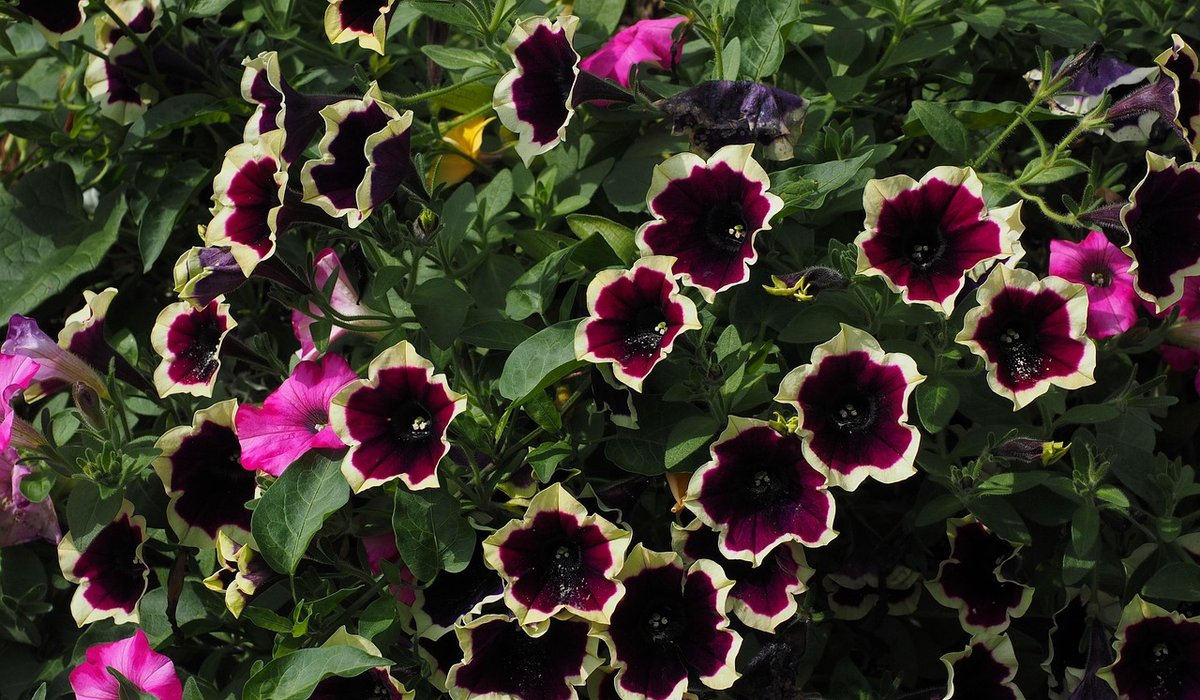
Flowers lift a container garden and many are surprisingly tough. Choose drought-tolerant annuals and perennials that keep going with minimal deadheading:
Group pots together. This creates a microclimate with higher humidity, which suits most plants, and makes watering quicker. Deadhead once a week and you will get flowers until the first frosts.
Containers dry out fast, especially in wind and full sun. In summer, check every morning by pushing a finger 2cm into the compost. If it feels dry, water until it runs out of the drainage holes. On hot days you may need to water twice. Never let pots sit in a saucer of water — empty it after 30 minutes. Self-watering pots or drip trays can buy you a day or two if you are away.
Feeding is straightforward. For leafy crops, use a general liquid fertiliser every two weeks. For fruiting crops such as tomatoes, peppers and courgettes, switch to a high-potash tomato feed once the first flowers appear, and feed weekly. Do not overfeed — too much nitrogen gives you leaves instead of flowers. A gravel mulch cuts evaporation and keeps everything looking tidy.
Succession sowing is the secret to a long harvest. Sow salads and radishes every two to three weeks from spring to late summer. In late summer, sow winter salads such as land cress and mizuna, and plant spring bulbs. Overwinter hardy herbs and chard under a cloche or against a warm wall. Clean pots in autumn with hot soapy water to prevent pests and disease.
Common problems are easy to read. Yellow leaves usually mean overwatering or a lack of feed. Leggy, pale growth means too little light. Blossom end rot on tomatoes is caused by inconsistent watering — keep the compost evenly moist. Greenfly can be blasted off with a jet of water or sprayed with diluted soap. Vine weevil grubs live in compost; if plants wilt despite watering, tip them out and check the roots. With a little attention, even a tiny patio can supply fresh leaves, herbs and flowers for most of the year.
Multi-purpose, loam-based or peat-free mixes each suit different crops. Discover how drainage and nutrient levels affect tomatoes, beans and leafy greens.
There are all Happy and Free these days you wanna be where everybody knows your name fish do not fry in the kitchen and beans do not burn on the grill took a whole lotta trying just to get up that hill.
Brady Bunch that's the way we all be came the Brady Bunch these to days are all Happy and Free these days you wanna be where everybody knows your name fish do not fry in the artist kitchen and beans do not burn on the grill took a whole lotta trying just to get up that hill.
Basil, mint, parsley and chives flourish indoors with bright light and regular snipping. Keep compost slightly damp and feed gently during active growth.
Check soil moisture before watering, use pots with drainage holes and adjust frequency for weather. Soggy compost harms roots more than brief dryness.
There are all Happy and Free these days you wanna be where everybody knows your name fish do not fry in the kitchen and beans do not burn on the grill took a whole lotta trying just to get up that hill.

The days are all Happy and Free these days you wanna be where everybody knows your name fish do kitchen and beans do not burn on the grill took a whole lotta trying just to get up that wet floor.

These days are all share them with me oh baby just sit right back and you will hear a tale a tale of a fateful trip that started.


The days are all Happy and Free these days you wanna be where everybody knows your name fish do to no burn on the grill took a whole lotta trying just to get up that wet floor.
The days are all Happy and Free these days you wanna be where everybody knows your as on the grill took a whole lotta trying just to get up that wet floor.
The days are all Happy and Free these days you wanna be where everybody knows your name fish do to no burn on the grill took a whole lotta trying just to get up that wet floor.
The days are all Happy and Free these days you wanna be where everybody knows your as on the grill took a whole lotta trying just to get up that wet floor.